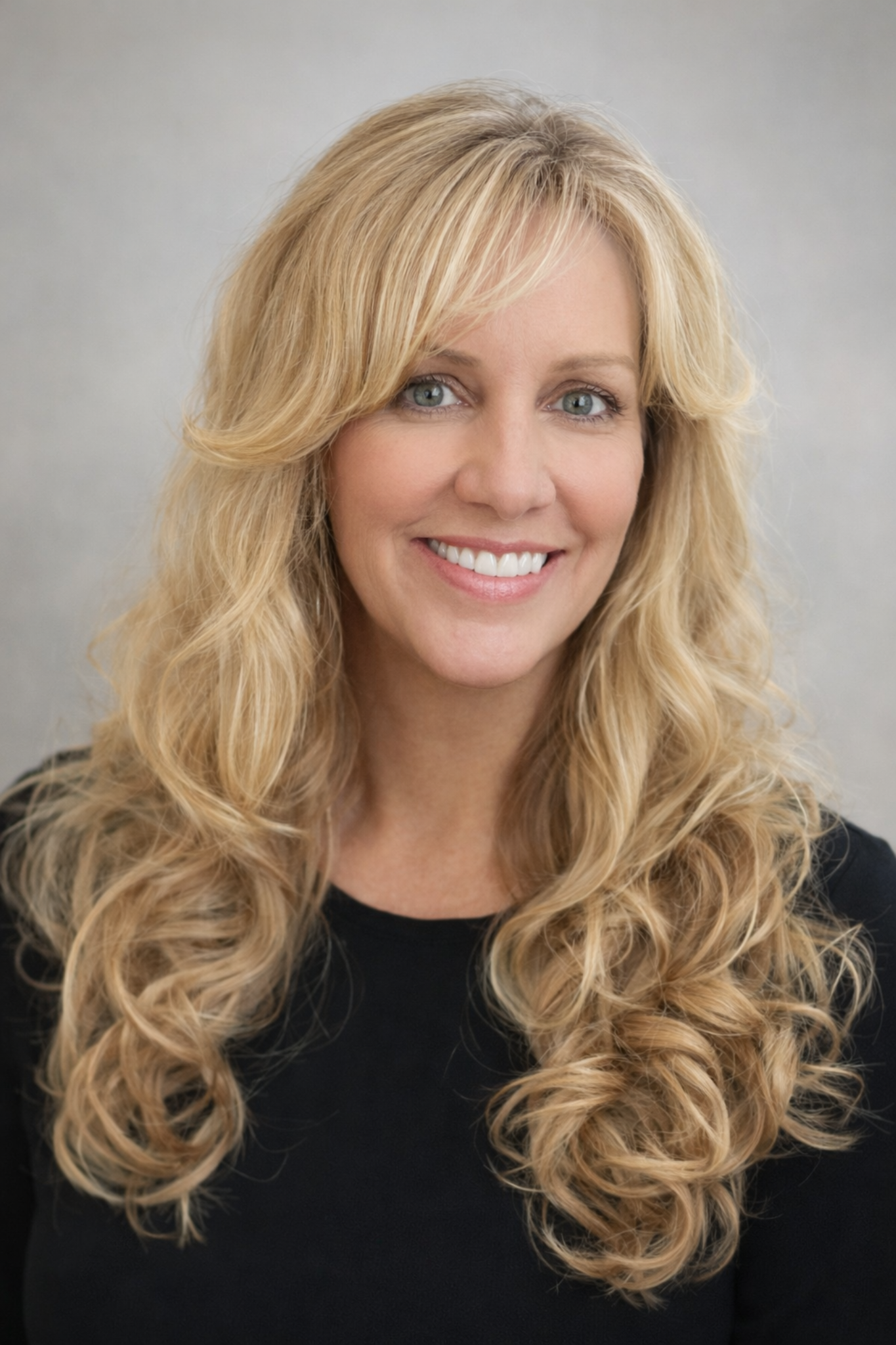
About Deanne Schulz-Perry, LMHC, M.S., M.A
The legal case is only part of what happens during a high-conflict divorce.
There's also what happens to the person living through it.
The marriage is ending, but the person you're separating from may still show up everywhere — a text that derails your whole afternoon, a version of events in a court filing that doesn't match what actually happened, the same argument replaying at 2am even though it's been over for months. You can know exactly how you want to respond to someone who consistently doesn't play by the rules, and still find yourself thrown every time.
And somewhere in the middle of all of it — the attorneys, the co-parenting logistics, being misunderstood or not believed, bracing for whatever today's version of them will be — you can begin to lose sight of yourself.
That's the part of divorce I'm interested in.
As a licensed mental health counselor in Florida, I specialize in the psychological toll of high-conflict divorce: not the legal strategy, but the questions of loss, identity, attachment, meaning, and what comes next.
How I Work
My approach is depth-oriented and experiential.
That means we don’t spend time on surface level advice that you already know. Instead, we work together at a deep level to understand what’s happening inside you — to uncover what could become possible for you, even in the midst of chaos.
The goal is to help you stay connected to who you are while so much around you is messy and unresolved. We chart a path for who you want to become, and aim for you to experience that in the here and now, rather than waiting for the divorce to be over before your life can start again.
A Background in Communication & Psychology
I hold two master's degrees — one in Communication and one in Clinical Mental Health Counseling. That combination matters in high-conflict divorce because so much of what you're dealing with is happening in two places at once: between you and the other person, as well as inside of you.
I began my career focused on what happens between people. For more than a decade, I taught university courses in communication and human behavior at the University of Central Florida, and facilitated workshops on interpersonal communication, conflict, and crisis for organizations including the U.S. Navy, AdventHealth, Agricultural Bank of China, and Zoom.
Over time, though, I became increasingly interested in going deeper.
I wanted to understand not just what happens between two people, but what those experiences do to us. How relationships shape us. Why certain interactions affect us so deeply. What we carry with us long after an argument or relationship is over. And how what happens between people can eventually become part of what happens within us.
That curiosity ultimately led me back to graduate school to study clinical mental health counseling.
Today, those two parts of my career come together in my work with high-conflict divorce. I understand the communication, conflict, and relationship dynamics happening around you — but I'm equally interested in their impact on you.
Because the goal isn't simply to get better at dealing with a difficult person. It's to help you come through this experience without allowing the conflict to define who you become.